Frequently Asked Questions
-
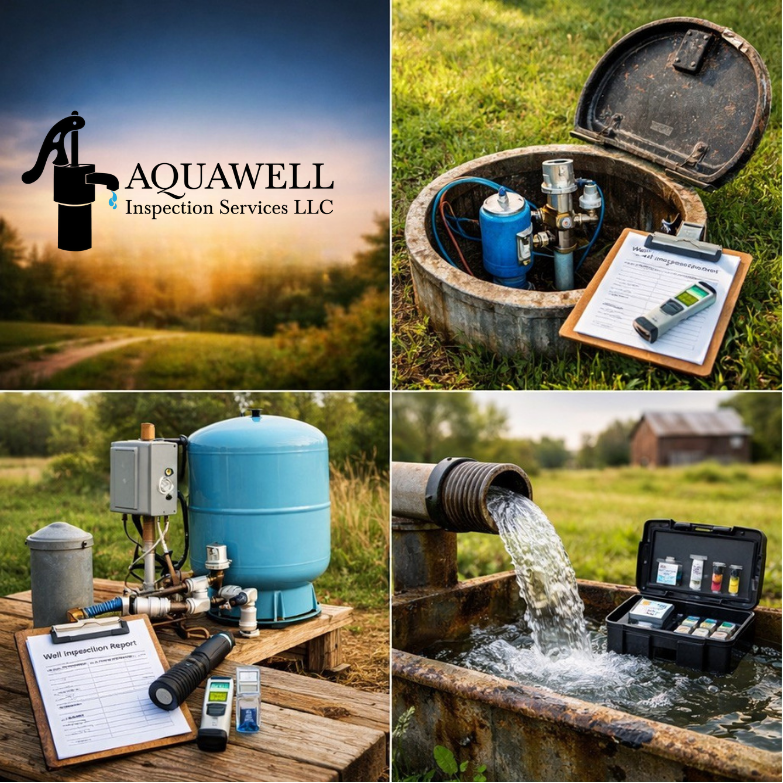
A water well inspection is a comprehensive evaluation of your well system, including the well head, pressure tank, pump performance, electrical components, water flow rate, and overall water quality. The goal is to ensure your well is functioning safely, efficiently, and producing clean water.
-
Regular water well inspections help identify problems early—such as low yield/minimum production areas/wells that run dry, low water pressure, pump failures, well casing damage, or contamination. Inspections protect your water supply, extend the life of your well system, and can prevent expensive emergency repairs.
-
Experts recommend a professional well inspection once per year. You should also schedule an inspection if you notice changes in water pressure, water taste, odors, discoloration, or if your pump is cycling frequently.
-
Yes. We specialize in real estate well inspections for homebuyers, sellers, and real estate agents. Our reports include flow test results, pump performance, water quality testing, and overall system condition—everything needed for property transactions.
-
Most inspections take 45–90 minutes, depending on the system size and the scope of the water well testing.
-
Call us at 937-271-7105 today to get your water well inspection scheduled!
-
There is no state law requiring an inspection for a sale, but most lenders usually require a "potability" test (bacteria and nitrates) or “quantity and quality test” if water source is a private system such as a well or cistern.
-
Buyers often ask for the "birth certificate" of the well to see how deep it is and what kind of soil it was drilled through. Not all wells have documentation or any physical data of construction. If any reports exist, they usually can be found either at local health departments or at the Ohio Department of Natural Resources (ODNR) well logs/ data website.
-
Homeowners often notice their pump turning on and off every few seconds, which usually points to a waterlogged pressure tank—a very common repair required in private water systems. It is very important to repair this issue as soon as possible. This type of failure will damage the well pump motor.
-
Yes, sometimes with minor repairs (like replacing a pressure switch, gauge, tanks) don't need a permit, altering the well or changing the structural system delivery design can require a permit and inspection from the local Health District.
-
Many residents in expanding suburbs ask this. Generally, you can keep it for irrigation if it has no environmental concerns or issues due to keeping for future use. By isolating it and disconnecting it from all potable water lines to the rest of the system to ensure your well water doesn't contaminate the city's lines and is typically acceptable. Heath districts may be contacted to determine if they have specific rulings or special requirements for compliance.
-
Warning Signs to Watch For
Changes in water taste, smell, or color
Metallic, sulfur (rotten egg), cloudy, or rusty water can signal contamination or equipment issues.Low or inconsistent water pressure
Sudden drops or surging pressure may point to pump problems, pressure tank issues, or blockages.Air sputtering from faucets
Spitting air can indicate a failing pump, low water level, or plumbing leak tied to the well system.Unusual noises
Clicking, grinding, or short-cycling sounds from the pressure tank or pump are red flags.Sediment in water
Sand, grit, or visible particles often mean screen damage, casing issues, or aquifer changes.Higher electric bills
A struggling pump often runs longer than it should, driving up energy costs.Well age or unknown history
If the well hasn’t been inspected in several years—or you just bought the property—it’s smart to check its condition.After flooding, drought, or nearby construction
Environmental changes can impact water quality and well integrity.
-
It is best to have your water well inspected annually. A yearly inspection helps catch small issues early—pump wear, pressure tank problems, or water quality changes—before they turn into expensive repairs.
Other times to have your water well tested:
You notice changes in taste, smell, or clarity
Water pressure becomes low or inconsistent
The well is 10+ years old
The property has experienced flooding, drought, or nearby construction
Your electric bill increases without explanation
You’ve never had the well inspected or don’t know its history
You are buying or selling a home
After major repairs or pump replacement